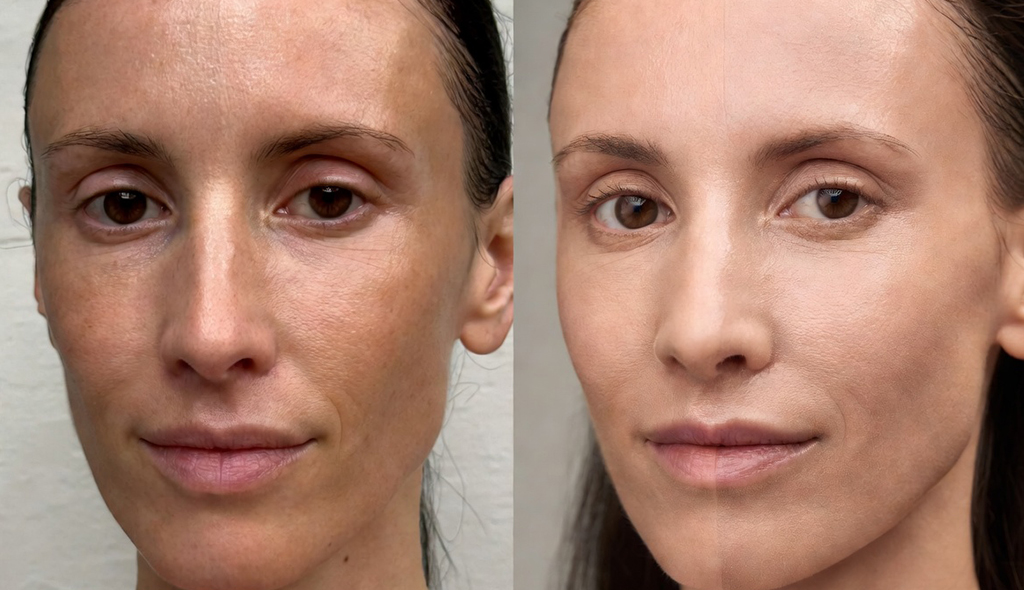
Melasma is one of the most frustrating skin conditions I see people struggle with. Those stubborn brown or grayish patches usually on the cheeks, forehead, nose, or upper lip often appear suddenly and then refuse to fade, no matter what creams you try. Many patients who visit places like Cozmetika Clinic come in with the same concern and ask the same question: What is the Most Effective Treatment for Melasma?
After working with various treatment approaches and seeing real patient outcomes, one thing becomes very clear: there isn’t a single “magic” treatment for melasma or other forms of skin pigmentation. The most effective approach usually involves a combination of professional treatments, medical-grade skincare, and strict sun protection.
Since melasma is a complex type of Skin Pigmentation disorder, managing it properly requires targeting excess melanin production while protecting the skin from triggers like UV exposure and heat. When these strategies are used together, patients tend to see much more consistent and long-lasting improvement in their pigmentation.
Understanding Why Melasma Is So Difficult to Treat:
Melasma develops when melanocytes (pigment-producing cells) become overactive. This is often triggered by:
- Sun exposure
- Hormonal changes (pregnancy or birth control)
- Heat and inflammation
- Genetics
- Certain medications or skincare products
What makes melasma tricky is that the pigment can sit at different depths in the skin. Some cases are superficial and respond well to creams, while deeper pigmentation needs professional procedures. That’s why many people waste months on random products without seeing real results.
The Most Effective Melasma Treatments:
Based on both dermatology guidelines and clinical experience, these treatments consistently show the best results.
1. Medical-Grade Topical Treatments:
For mild to moderate melasma, dermatologists usually start with prescription topical treatments. The gold-standard ingredients include:
- Hydroquinone – reduces melanin production
- Tretinoin (retinoids) – speeds up skin cell turnover
- Azelaic acid – helps fade pigmentation safely
- Kojic acid – natural pigment inhibitor
- Tranexamic acid (topical) – increasingly popular for stubborn melasma
In many cases, dermatologists prescribe a triple combination cream that includes hydroquinone, tretinoin, and a mild steroid. Patients often start seeing improvement in 6–8 weeks, though maintenance is crucial.
2. Chemical Peels for Pigmentation:
Chemical peels are one of the most effective clinical treatments for melasma when done properly. Common peels used for pigmentation include:
- Glycolic acid peels
- Lactic acid peels
- Salicylic acid peels
- Mandelic acid peels
- TCA peels (for deeper pigmentation)
The goal is to exfoliate the upper layers of skin where pigment sits, allowing healthier skin to regenerate. I’ve personally seen excellent results when chemical peels are combined with medical skincare. Cozmetika Clinics in Islamabad & Rawalpindi, which offer customized peel protocols, often adjust peel strength depending on skin type, especially important for South Asian skin tones that are prone to post-inflammatory pigmentation.
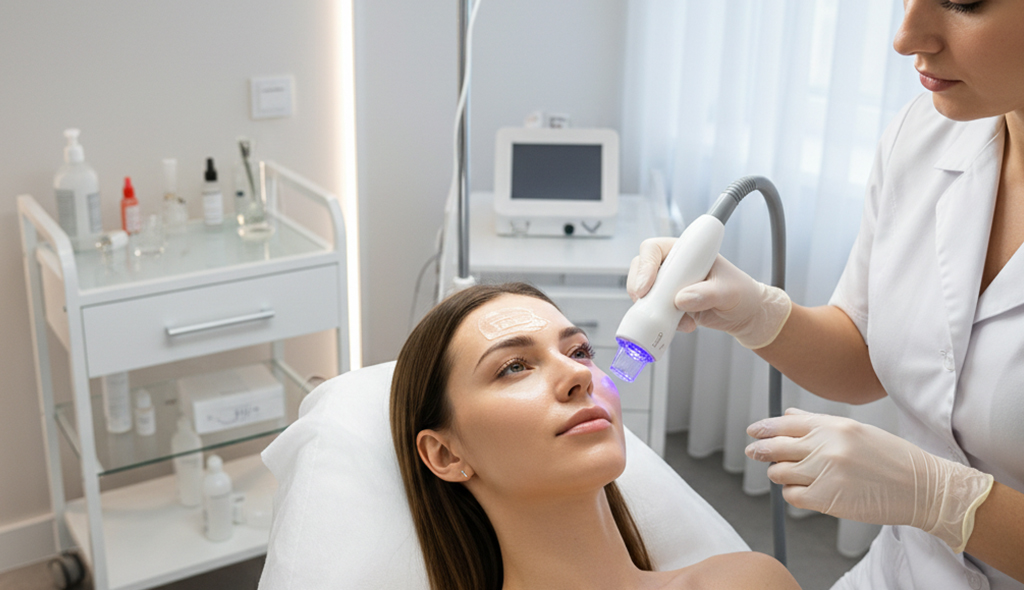
3. Laser Treatments for Stubborn Melasma:
Laser therapy can be extremely effective, but it must be done carefully. Not every laser works well for melasma, and aggressive treatments can actually worsen pigmentation if performed incorrectly. Safer options often include:
- Q-switched lasers
- Fractional lasers
- Low-fluence laser toning
Laser treatments work by breaking down pigment particles in the skin, allowing the body to clear them naturally. Clinics that specialize in pigmentation usually combine laser sessions with medical skincare and sun protection to prevent recurrence.
4. Oral Tranexamic Acid (For Severe Cases):
In more persistent cases, dermatologists may prescribe oral tranexamic acid. This medication helps regulate pigment pathways and reduce melanin production. Studies show it can significantly improve melasma when combined with topical treatments and procedures. However, it must always be taken under medical supervision due to potential side effects.
5. Daily Sunscreen (The Most Important Step):
If there’s one thing that determines whether melasma improves or returns, it’s sun protection. Without sunscreen, even the best treatments will fail. Dermatologists recommend:
- Broad-spectrum SPF 50+
- Reapplication every 2–3 hours
- Mineral sunscreens with zinc oxide or titanium dioxide
- Wearing hats or avoiding peak sun hours
In cities like Islamabad and Rawalpindi, where UV exposure can be intense most of the year, consistent sunscreen use makes a massive difference in treatment success.
Best Melasma Treatment in Islamabad & Rawalpindi:
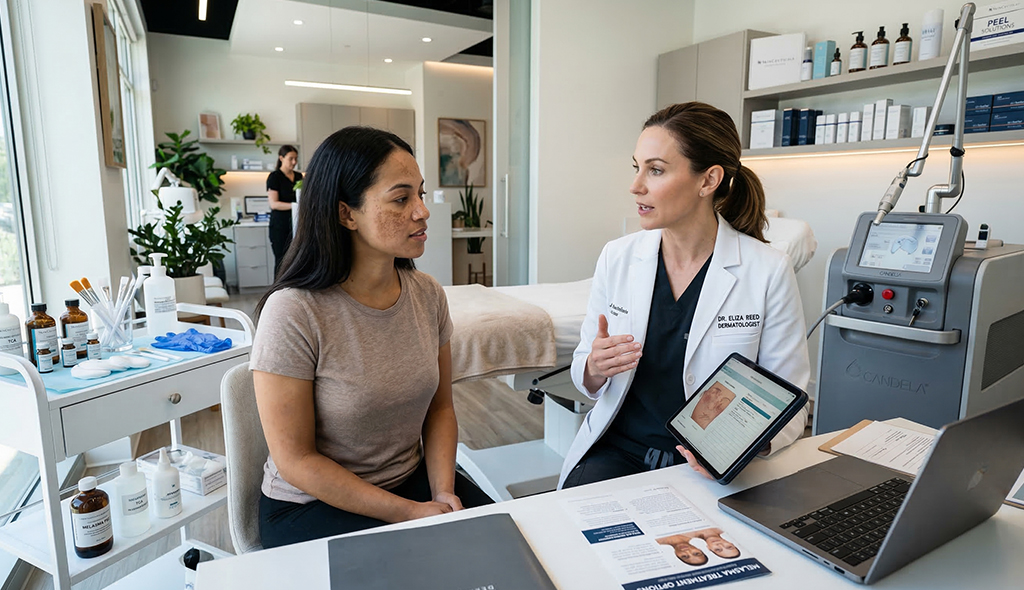
If you’re looking for the best melasma treatment in Islamabad & Rawalpindi, the key is choosing a clinic that offers personalized treatment plans instead of one-size-fits-all solutions. Effective melasma care usually involves:
- Skin analysis
- Customized topical medication
- Professional chemical peels
- Advanced laser therapy (when needed)
- Long-term maintenance skincare
Clinics such as Cozmetika Clinics often combine several of these approaches in phased treatment plans, which tends to produce better long-term outcomes compared to single treatments.
What Most People Get Wrong About Melasma?
- Trying random whitening creams – Many over-the-counter creams contain steroids or unsafe ingredients.
- Expecting instant results – Melasma treatment usually takes 3–6 months for visible improvement.
- Ignoring sun protection – Even indoor light and heat can trigger pigmentation.
- Overusing exfoliation – Too many scrubs or strong acids can worsen inflammation and darkening.
FAQ: Melasma Treatment
What is the Fastest way to Treat Melasma? The fastest results usually come from combination therapy, including medical creams, chemical peels, and laser treatments used together under a dermatologist’s supervision.
Can Melasma be Permanently Cured? Melasma is manageable but not always permanently curable. With proper treatment and strict sun protection, it can fade significantly and remain under control.
Which Laser is Best for Melasma? Low-energy Q-switched Nd:YAG laser toning and certain fractional lasers are commonly used. However, treatment should always be tailored to skin type.
Is Melasma Treatment Safe for Sensitive Skin? Yes, but treatments must be customized carefully. Mild peels and gentle pigmentation serums are usually preferred for sensitive skin types.
How Long Does Melasma Treatment Take? Most people start noticing improvement in 6–12 weeks, but full treatment often takes 3–6 months, depending on severity.
Final Thoughts!
Melasma can be stubborn, but it’s far from untreatable. The most effective treatment usually isn’t just one product or procedure; it’s a carefully planned combination of treatments, skincare, and sun protection.
From what I’ve seen in practice, patients who follow a structured plan and stay consistent with sunscreen see the best outcomes. Clinics that focus on personalized pigmentation protocols, like Cozmetika Clinics Islamabad & Rawalpindi, often help patients navigate this process more effectively.
If you’re dealing with melasma, patience and the right guidance make all the difference. With the proper approach, those dark patches can fade, and your skin can regain a much more even tone.